One Academic Operating System. Two Pathways.
Kipinä is built around one international early years system: curriculum, teacher training, technology, child development tracking, parent communication and quality standards.
Schools enter that system in different ways depending on their starting point, ambition and level of readiness.
Some schools want access to the Kipinä Early Years System while keeping their own identity. Others want to strengthen an existing preschool as part of the Kipinä Global Network. Some want the full Kipinä flagship model.
Each pathway is designed for a different type of partner.
| Identity & brand | Global Network School | Flagship |
|---|---|---|
| School name | Unchanged. The school keeps its own name, with an approved “part of the Kipinä Global Network” identifier added. | Operates as a Kipinä school, with the full Kipinä name and identity. |
| Kipinä visible to parents? | Yes. The school may publicly carry the Kipinä Global Network descriptor, approved badge and parent-facing network language. | Yes. Full Kipinä parent-facing identity, including name, signage and brand standards. |
| How parents understand it | An established independent school that is part of Kipinä’s international early years network. | A Kipinä school. |
| Network status | Active network status. The school is approved, listed and publicly identified as part of the Kipinä Global Network, subject to continued alignment with network standards. | Full Kipinä presence. The school represents the Kipinä brand in its market. |
| What this means commercially | Network status is a parent-facing signal. It gives families a clear reason to trust the school’s academic direction, supports stronger fee positioning and strengthens staff recruitment. | The full Kipinä brand carries premium market positioning, parent expectations and complete operating standards. |
What sits behind every Kipinä pathway
Every Kipinä pathway is built from the same academic foundation, but the level of access, training, support, quality review and brand integration differs by model.
Depending on the pathway selected, schools may access:
- Finland-inspired curriculum resources and academic guidance
- structured planning tools and curriculum delivery support
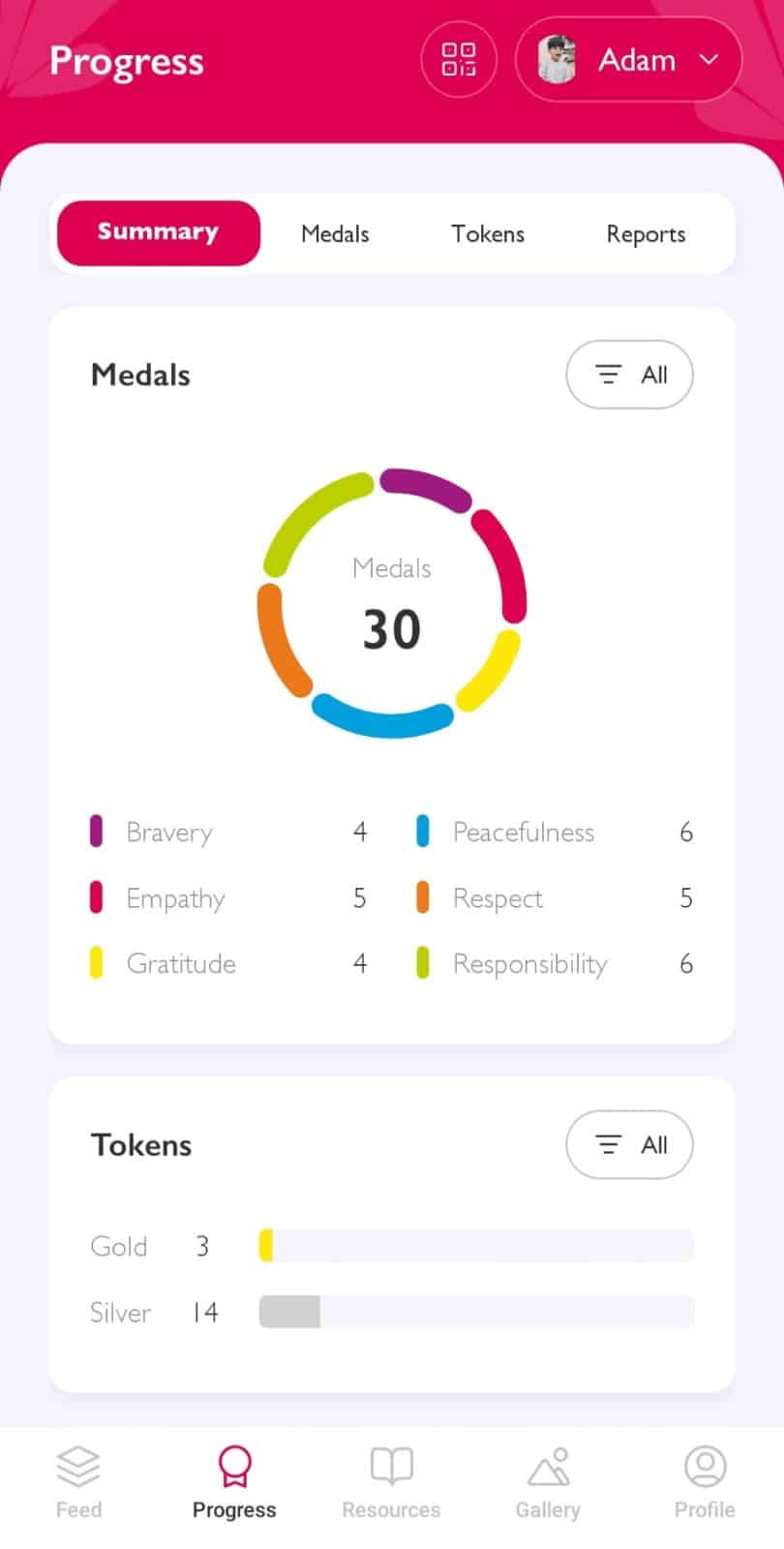
- KEYS apps for child development tracking and parent communication
- teacher onboarding, implementation training or full professional development pathways
- quality standards and review processes appropriate to the model
- approved Kipinä network or flagship identity, where applicable
The deeper the pathway, the greater the level of Kipinä involvement, training, review and brand integration.
How Kipinä partnerships work in practice
Kipinä is more than a curriculum framework or a set of digital tools. It operates as a live academic system that supports how schools onboard, how teachers implement the programme, how quality is reviewed, and how the partnership develops over time.
The level of support depends on the pathway selected — Kipinä Global Network School or Kipinä Flagship — but the principle is the same: to help schools deliver early years education with greater structure, consistency and confidence.
The overview below explains how Kipinä is implemented and sustained in real school environments.
Onboarding & Implementation
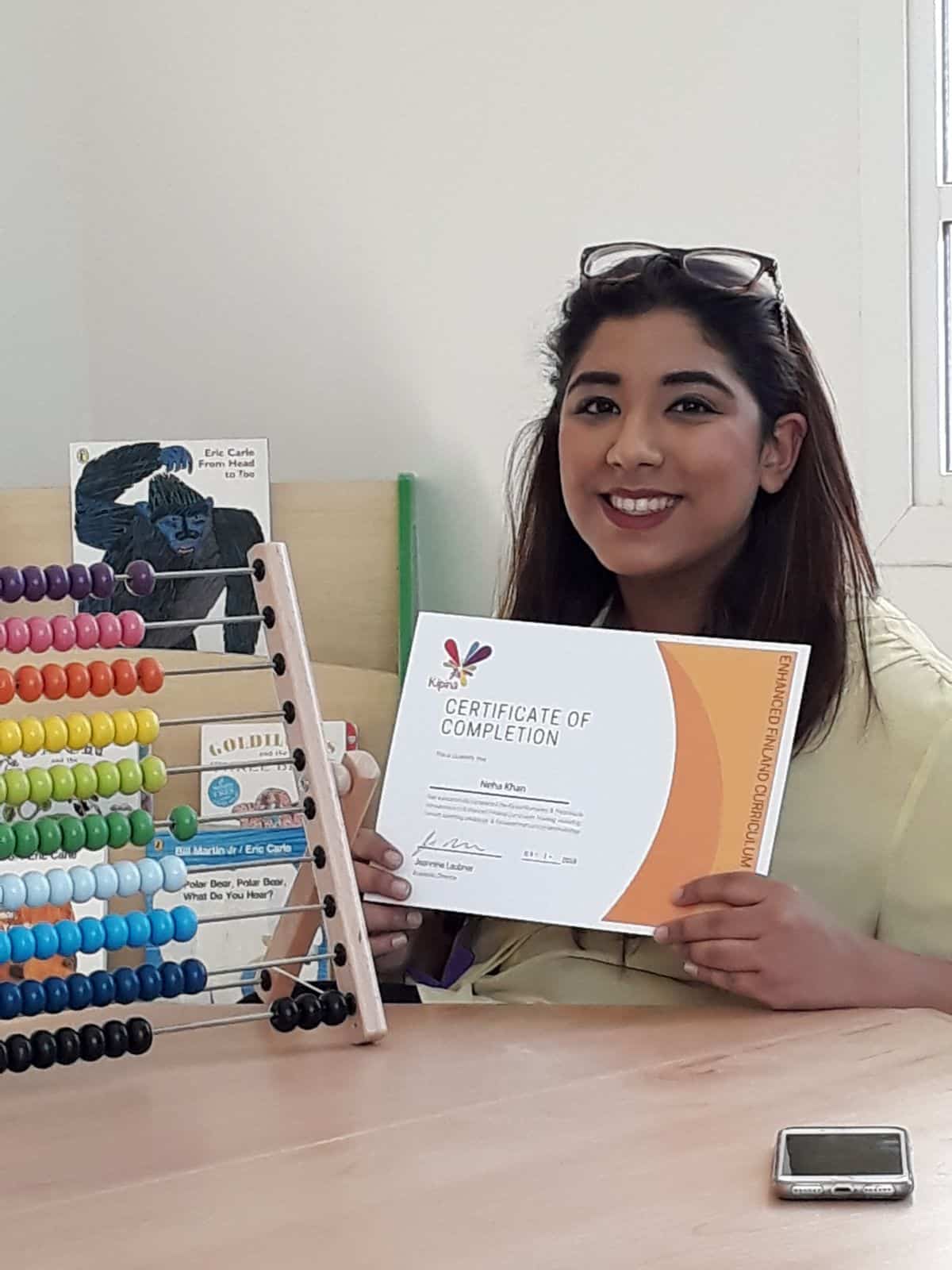
Each partnership begins with a structured onboarding phase designed to understand the school’s current context and prepare teams for system alignment.
This typically includes:
- an academic and operational diagnostic
- confirmation of scope and model fit
- phased onboarding of the Kipinä framework
- initial implementation planning with school leadership
The objective is not speed, but clarity and readiness.
Academic Delivery & Teacher Training

Teacher development sits at the centre of the Kipinä System. Training is structured, cumulative, and directly connected to classroom practice.
Depending on the model and context, this include
- initial teacher onboarding aligned to the Kipinä approach. This may be provided by Kipinä directly or jointly with Häme University depending on the model.
- structured training modules delivered online and/or in person
- guidance on lesson planning, observation, and classroom delivery
- ongoing professional development as the system evolve
Training is not treated as a one-off event, but as a continuous process.
Quality Assurance & Academic Oversight
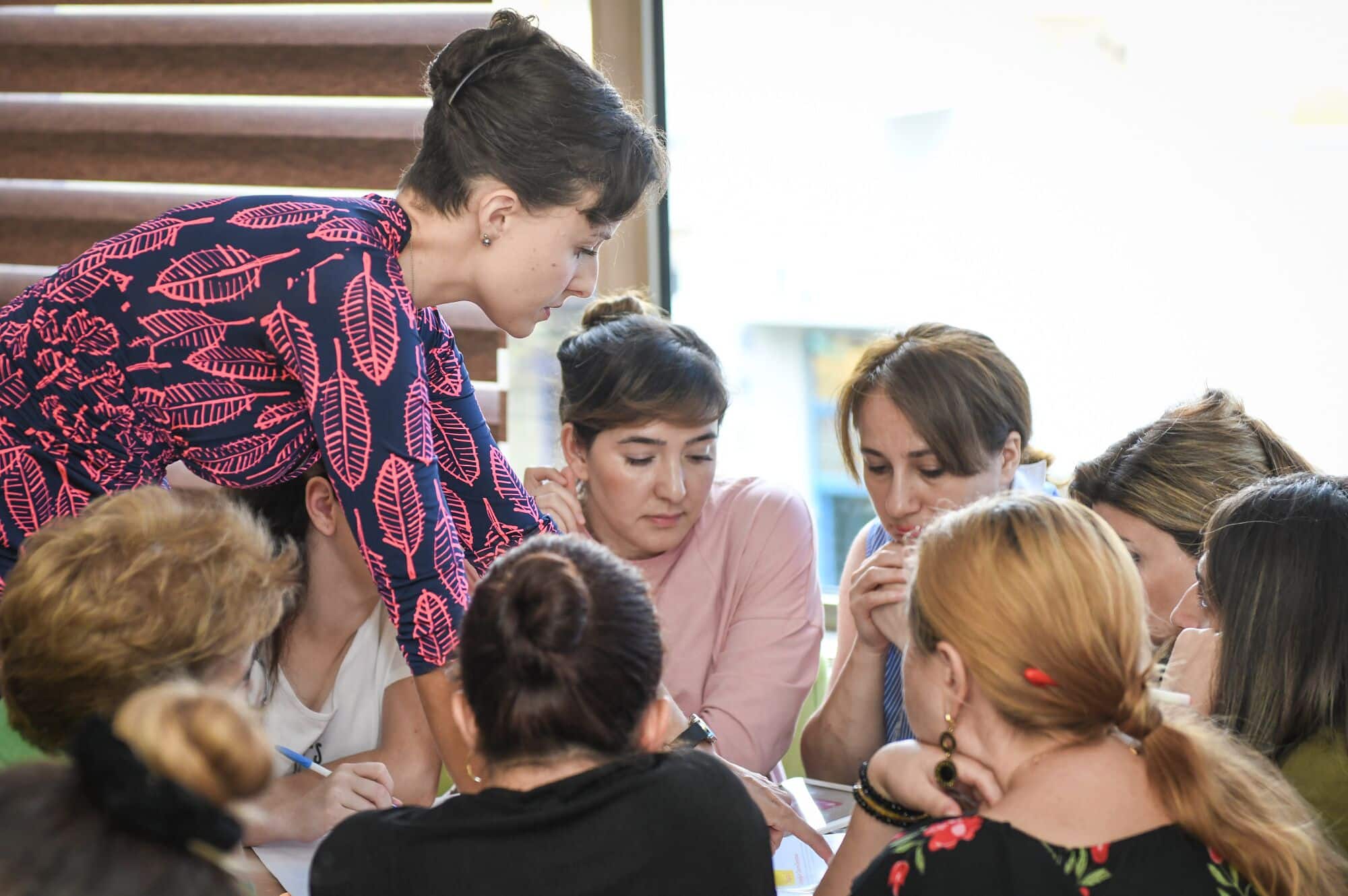
To protect educational quality across different schools and contexts, Kipinä incorporates defined review and oversight processes.
These typically involve:
- agreed academic standards and expectations
- periodic reviews of teaching practice and documentation
- feedback and guidance from the Kipinä academic team
- support in addressing gaps or inconsistencies
Oversight is designed to support improvement and consistency, while respecting local leadership and context.
Commercial Structure & Ongoing Participation
Kipinä partnerships are structured around a clear commercial framework that reflects the scope of system delivery and ongoing support.
While exact terms are confirmed following assessment, partnerships typically include
- an initial onboarding and implementation fee
- ongoing system participation fees
- model-specific requirements based on scale and context
Fees vary by partnership model, country, and scope of delivery, and are aligned to the level of system support provided.
How Entry Is Determined
Kipinä does not offer a one-size-fits-all partnership. Before recommending a pathway, we assess the school’s current position, facilities, leadership, readiness, market context and long-term goals. The aim is to identify the route that creates the strongest fit: whether that is Kipinä Global Network School or Kipinä Flagship